EN
May. 22, 2026
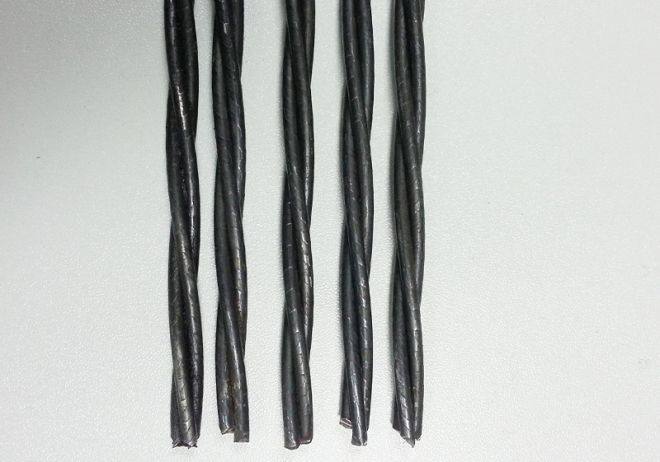
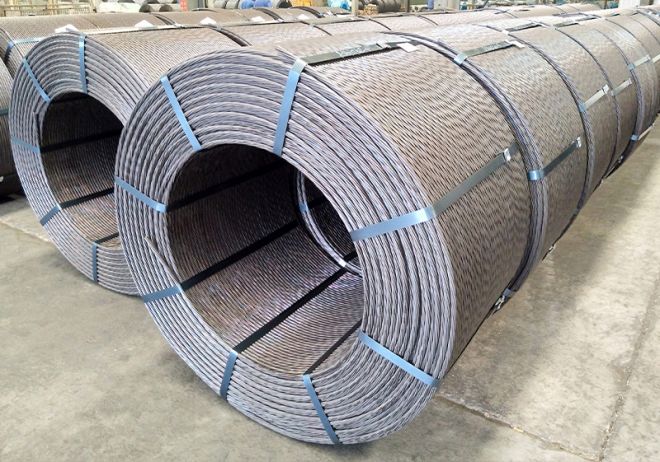
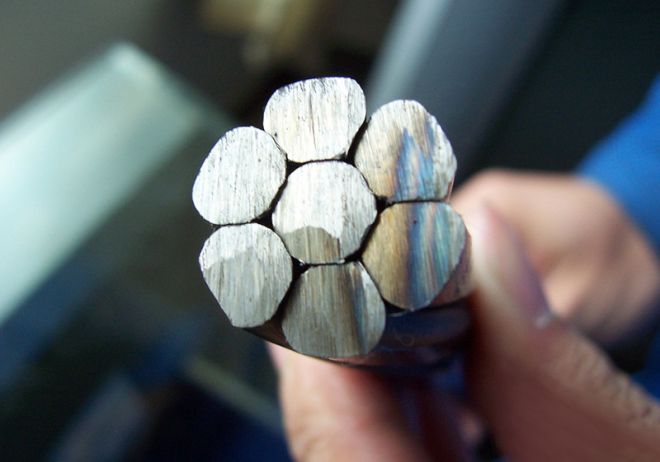
Prestressed concrete steel wires are widely applied in infrastructure projects such as bridges, pile foundations and sleepers. Their stable mechanical properties, low relaxation characteristics and long-term service durability directly determine the service life and safety of prestressed building structures.
Cold drawing serves as the core procedure of prestressed steel wire. Key process parameters including drawing pass arrangement, single-pass area reduction, drawing speed and temperature during forming govern the internal metallographic structure of steel wire, ensure comprehensive finished product performance.
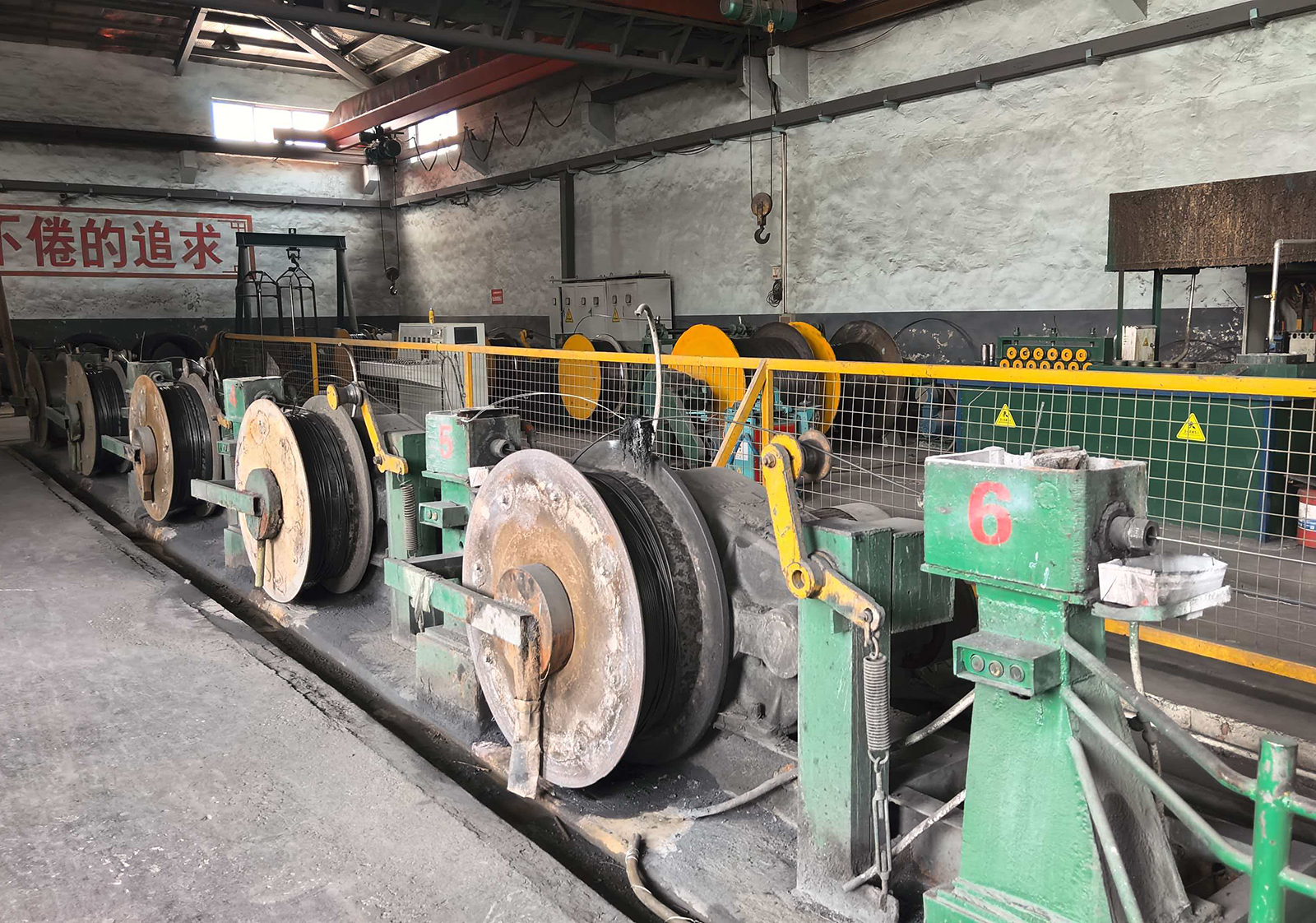
To save production costs, some manufacturers in the industry adopt simplified production modes such as reducing drawing passes, applying smaller-sized wire rod and accelerating production speed. Although such methods lower short-term production expenditure, they easily damage the internal structure of steel wire. The multiple quality defects caused by the steel wire, such as insufficient tensile strength, poor structural uniformity, excessive relaxation rate, and failure to meet the hydrogen embrittlement test standards, have brought safety hazards to infrastructure projects.
1. Effects of Drawing Pass and Area Reduction on Steel Wire Properties
Multi-pass progressive cold drawing of 82B high-carbon steel wire rod refines metal grains and densifies sorbite structure, steadily improving tensile strength, torsional performance and overall structural stability of steel wire. Reasonable arrangement of drawing passes and moderate uniform single-pass deformation are essential to guarantee uniform steel wire performance and reduce internal residual stress.
1.1 Standard Drawing Process
Our factory strictly implements mature forming technology for prestressed steel wire. A 4-5 pass progressive drawing mode is adopted with precise control over single-pass area reduction. This balances metal flow behavior, synchronizes internal and external structural refinement, and avoids material defects caused by uneven local deformation.
The tensile strength of original 82B wire rod ranges is 1000MPa~1200MPa. Gradual cold work hardening through multiple drawing passes continuously refines metal lattices and densifies sorbite lamellar structure, enabling stable production of steel wire meeting national standard strength grades of 1670MPa and 1770MPa.
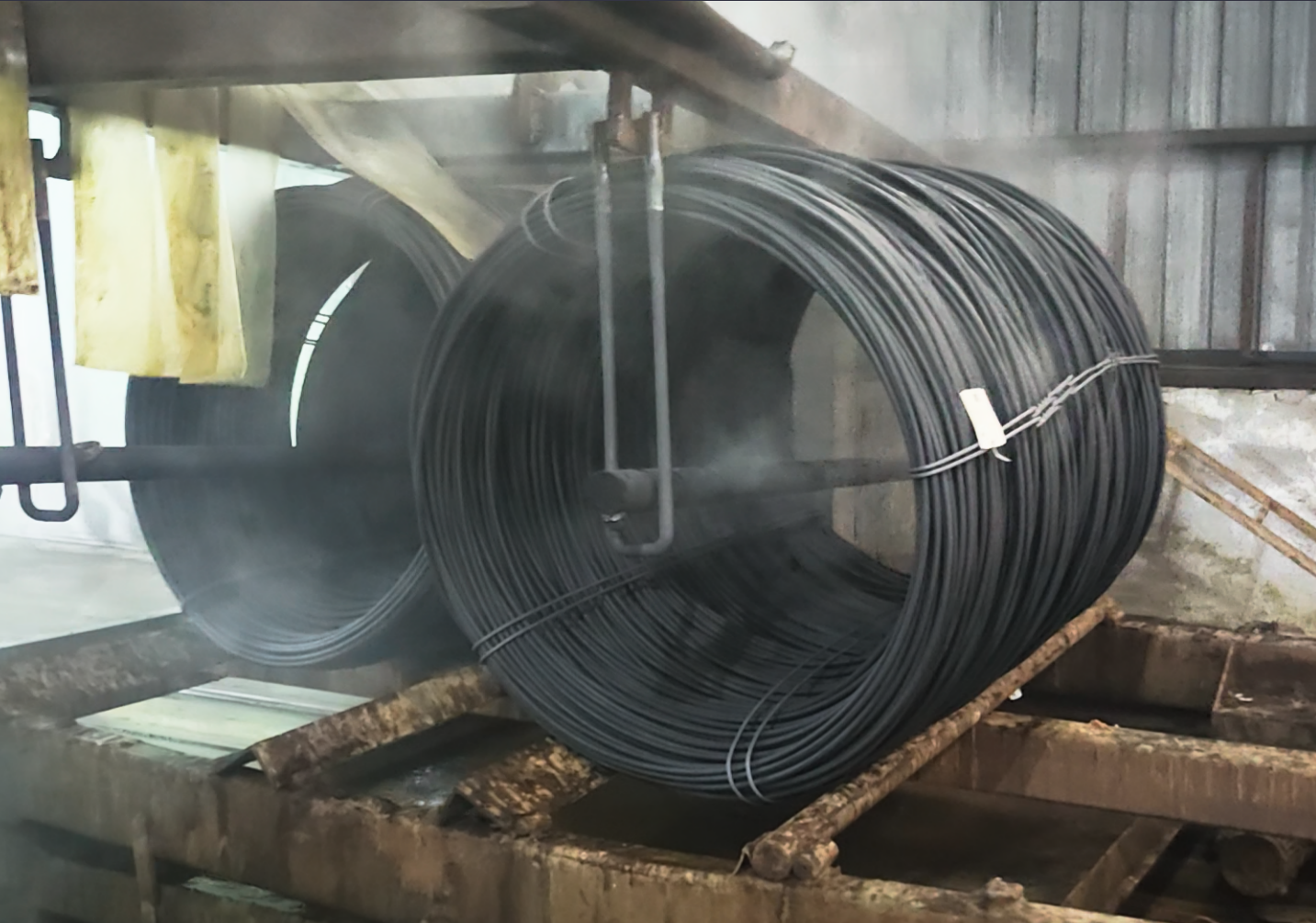
Multi-pass progressive drawing delivers prominent technical advantages: uniform metal deformation without surface delamination or stress concentration; compact and stable sorbite structure ensuring excellent stress relaxation resistance; qualified mechanical indicators covering tensile strength, elongation after fracture, torsion resistance and repeated bending property; consistent performance across product batches, which passes third-party authoritative inspection and on-site sampling verification.
Standard specifications of steel wire and matching wire rods:
| Finished Steel Wire Diameter | Matching Wire Rod Diameter | Tensile Strength Grade |
| 4mm | 8mm | 1770MPa |
| 5mm | 10mm | 1770MPa |
| 6mm | 11mm | 1670MPa |
| 7mm | 12.5/13mm | 1670MPa |
| 13.5 (reinforced)/14mm | 1770MPa |
1.2 Simplified Drawing Process
Some manufacturers cut working procedures to reduce raw material and production costs, only applying a simplified 2-3 pass drawing process. Insufficient drawing passes force excessive single-pass area reduction to achieve dimensional shaping, which belongs to non-compliant heavy compression processing.
Reference of non-standard raw material matching for low-cost production:
| Finished Steel Wire Diameter | Non-standard Wire Rod Diameter | Tensile Strength Grade |
| 4mm | 8mm | 1770MPa |
| 5mm | 9mm | 1770MPa |
| 6mm | 9mm | 1670MPa |
| 7mm | 10mm | 1670MPa |
Note: Insufficient drawing passes lead to distinct deformation discrepancy between interior and exterior of steel wire. Excessive deformation occurs on the surface while insufficient deformation appears at the core, resulting in disordered metallographic arrangement and uneven grain size. Brittle fracture tends to happen during service, and wire breakage or structural failure may occur under construction tension and long-term load.
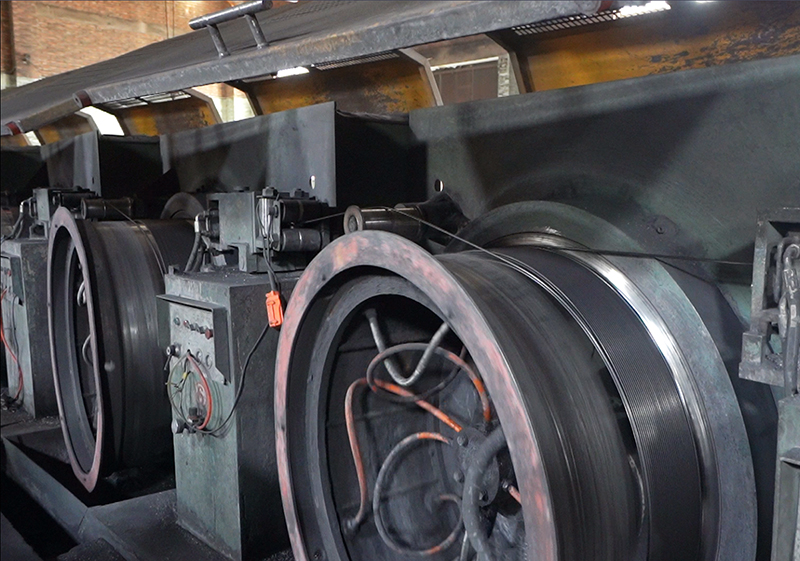
2. Reasons for Adopting Simplified Drawing Process
The irregular simplified processes stems from manufacturers’ one-sided pursuit of short-term economic benefits, mainly reflected in raw material procurement and production processing.
2.1 Raw Material Cost Reduction
Standard forming technology requires high-purity, large-size premium 82B wire rod with relatively high procurement costs. To save expenses, some manufacturers select undersized, low-cost non-standard wire rod adapted to simplified drawing procedures. They cut material performance reserve to compete in low-price markets.
2.2 Production Processing Cost Reduction
Drawing is a high-energy-consumption procedure in the process of prestressed steel wire manufacturing. Each additional drawing pass increases costs on equipment power consumption, die wear and labor hours. Reducing drawing passes shortens equipment operating time, lowers material loss and boosts daily output to realize low-cost production, at the expense of core service performance of products.
The influence of drawing process on the performance of PC steel wire(Ⅱ)
What are the differences between 1×7 wire strand and 1×19 wire strand?
HOT PRODUCTS

Yuanxian High-tech Material is a company serving a worldwide customers base providing innovative and reliable product solution that recognizes the value of customer care.
+86 180 2006 1362
Haitai Huake Third Road No.1, Huayuan Industrial Zone, Binhai High Tech Zone, Tianjin, china
Quick Links
Product Category

Request a Quote
Welcome to subscribe toour email message!

Send a Message